1. Search Result
Search Result
Results for "

5-hydroxytryptamine (5-HT)

" in MedChemExpress (MCE) Product Catalog:

69

Inhibitors & Agonists

2

Fluorescent Dyes

7

Natural
Products

8

Isotope-Labeled Compounds

3

Antibodies

Targets Recommended:
Cat. No. Product Name Target Research Areas Chemical Structure
  • HY-B1473
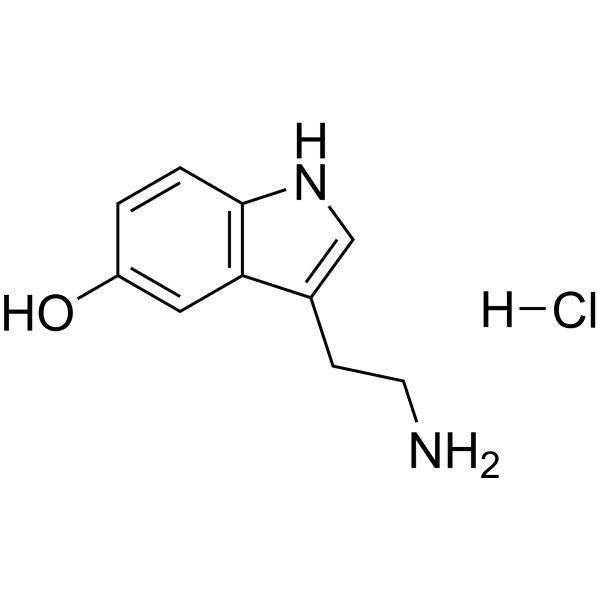
    Serotonin hydrochloride
    Maximum Cited Publications
    31 Publications Verification

    5-hydroxytryptamine hydrochloride; 5-HT hydrochloride

    5-HT Receptor COMT Endogenous Metabolite Neurological Disease
    Serotonin (5-Hydroxytryptamine) hydrochloride is a monoamine neurotransmitter in the CNS and an endogenous 5-HT receptor agonist, with blood-brain barrier permeability. Serotonin hydrochloride is also a catechol O-methyltransferase (COMT) inhibitor with a Ki of 44 μM.
    Serotonin hydrochloride
  • HY-B1473A
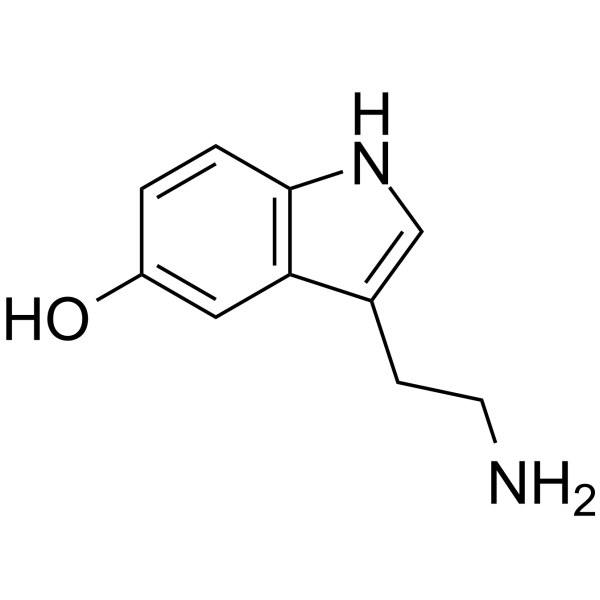
    Serotonin
    Maximum Cited Publications
    31 Publications Verification

    5-hydroxytryptamine; 5-HT

    5-HT Receptor COMT Endogenous Metabolite Neurological Disease
    Serotonin is a monoamine neurotransmitter in the CNS and an endogenous 5-HT receptor agonist. Serotonin is also a catechol O-methyltransferase (COMT) inhibitor with a Ki of 44 μM.
    Serotonin
  • HY-N0122
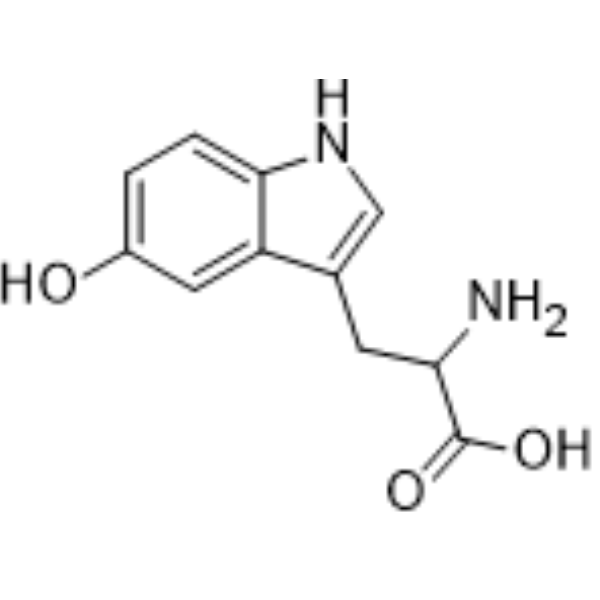
    5-Hydroxytryptophan
    2 Publications Verification

    5-HTP; DL-5-Hydroxytryptophan

    Endogenous Metabolite 5-HT Receptor Neurological Disease Metabolic Disease
    5-Hydroxytryptophan, a tryptophan metabolite, is a direct 5-hydroxytryptamine (5-HT) precursor and an L-aromatic amino acid decarboxylase substrate. .
    5-Hydroxytryptophan
  • HY-B0527A
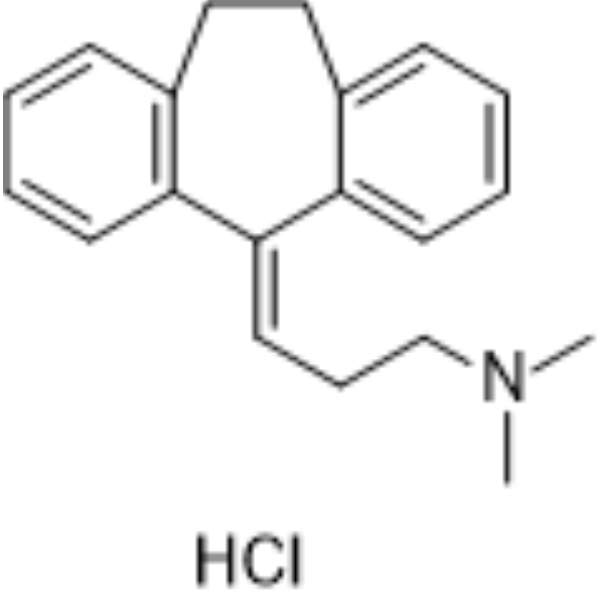
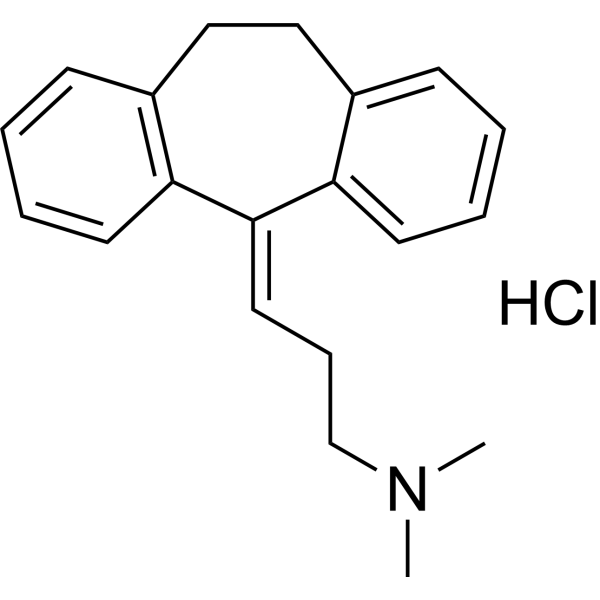
    Amitriptyline hydrochloride
    5+ Cited Publications

    Serotonin Transporter 5-HT Receptor mAChR Histamine Receptor Adrenergic Receptor Trk Receptor Sodium Channel Potassium Channel Dopamine Transporter Apoptosis Neurological Disease Inflammation/Immunology Endocrinology
    Amitriptyline hydrochloride is an orally active tricyclic antidepressant (TCA). Amitriptyline hydrochloride mainly exerts its antidepressant effect by blocking SERT (Ki = 3.45 nM) and NET (Ki = 13.3 nM), thereby increasing the concentrations of 5-hydroxytryptamine (5-HT) and norepinephrine (NE) in the synaptic cleft. Amitriptyline hydrochloride is also an agonist at α2A and TrkA/TrkB receptors, thereby exerting analgesic and neurotrophic activities (inhibiting cell apoptosis). Amitriptyline hydrochloride can reduce inflammation, angiogenesis and fibrosis. Amitriptyline hydrochloride binds to DAT (with Ki = 2.58 μM). Amitriptyline hydrochloride has high affinity for a series of receptors and can antagonize muscarinic cholinergic receptors (M1/M2/M3/M4/M5 receptors) (Ki = 11-24 nM), H1 receptors (Ki = 0.5-1.1 nM), adrenergic α1 receptors (Ki = 4.4 nM), etc., resulting in a series of side effects. Amitriptyline hydrochloride can block sodium channels and hERG potassium channel (IC50 = 4.78 μM) and it has cardiotoxicity [5].
    Amitriptyline hydrochloride
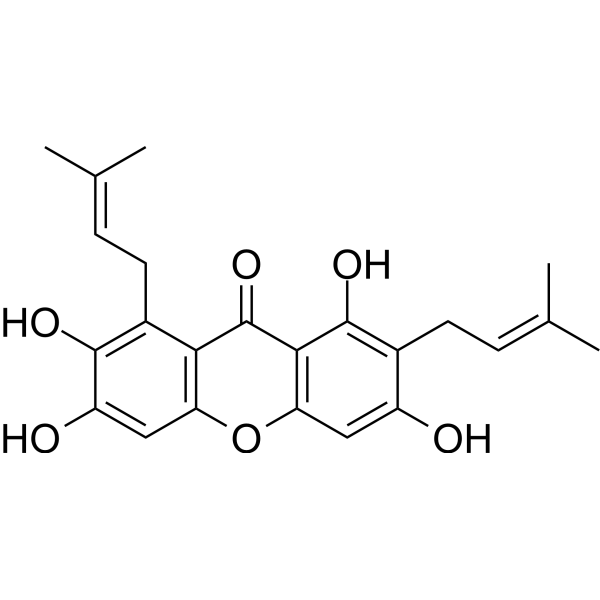
  • HY-N1957
    Gamma-Mangostin
    2 Publications Verification

    γ-Mangostin

    5-HT Receptor COX Transthyretin (TTR) Metabolic Disease Inflammation/Immunology Cancer
    Gamma-Mangostin is a novel competitive 5-hydroxytryptamine 2A (5-HT2A) receptor antagonist and potent epoxidase 2 (COX-2) inhibitor, as well as a transthyroxin protein (TTR) profibrosis inhibitor. Gamma-Mangostin binds to the thyroxine (T4)-binding sites and stabilized the TTR tetramer . Gamma-Mangostin inhibits [3 H] spiperone binding to cultured rat aortic myocytes (IC50=3.5 nM) and reduces The perfusion pressure response of rat coronary artery to 5-HT2A (IC50=0.32 μM). Gamma-Mangostin has anti-inflammatory, antibacterial, antioxidant and anticancer activities, and can be used in the study of metabolic disorders such as diabetes [5].
    Gamma-Mangostin
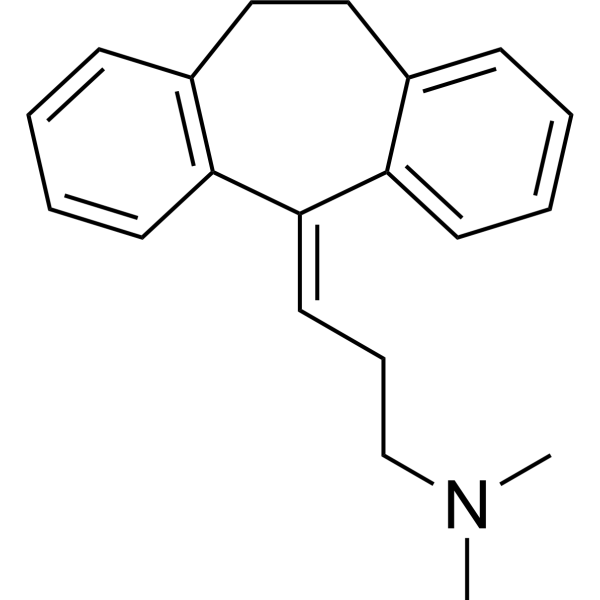
  • HY-B0527
    Amitriptyline
    5+ Cited Publications

    Serotonin Transporter Trk Receptor Sodium Channel 5-HT Receptor Histamine Receptor Adrenergic Receptor mAChR Potassium Channel Dopamine Transporter Apoptosis Neurological Disease Inflammation/Immunology Endocrinology
    Amitriptyline is an orally active tricyclic antidepressant (TCA). Amitriptyline mainly exerts its antidepressant effect by blocking SERT (Ki = 3.45 nM) and NET (Ki = 13.3 nM), thereby increasing the concentrations of 5-hydroxytryptamine (5-HT) and norepinephrine (NE) in the synaptic cleft. Amitriptyline is also an agonist at α2A and TrkA/TrkB receptors, thereby exerting analgesic and neurotrophic activities (inhibiting cell apoptosis). Amitriptyline can reduce inflammation, angiogenesis and fibrosis. Amitriptyline binds to DAT (with Ki = 2.58 μM). Amitriptyline has high affinity for a series of receptors and can antagonize muscarinic cholinergic receptors (M1/M2/M3/M4/M5 receptors) (Ki = 11-24 nM), H1 receptors (Ki = 0.5-1.1 nM), adrenergic α1 receptors (Ki = 4.4 nM), etc., resulting in a series of side effects. Amitriptyline can block sodium channels and hERG potassium channel (IC50 = 4.78 μM) and it has cardiotoxicity [5].
    Amitriptyline
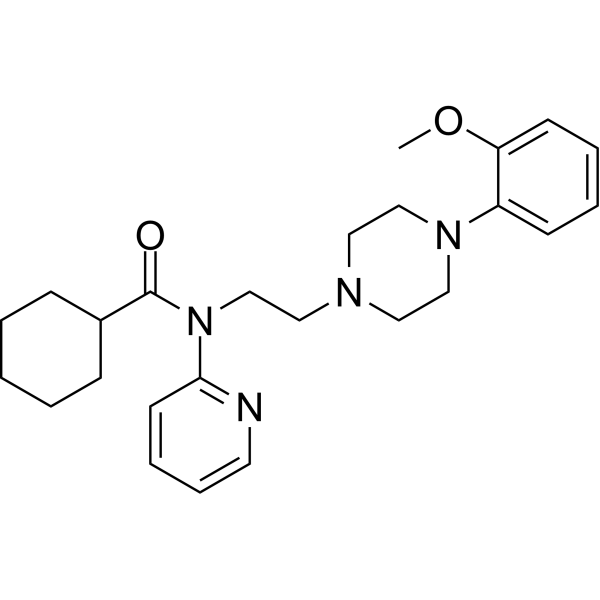
  • HY-10349
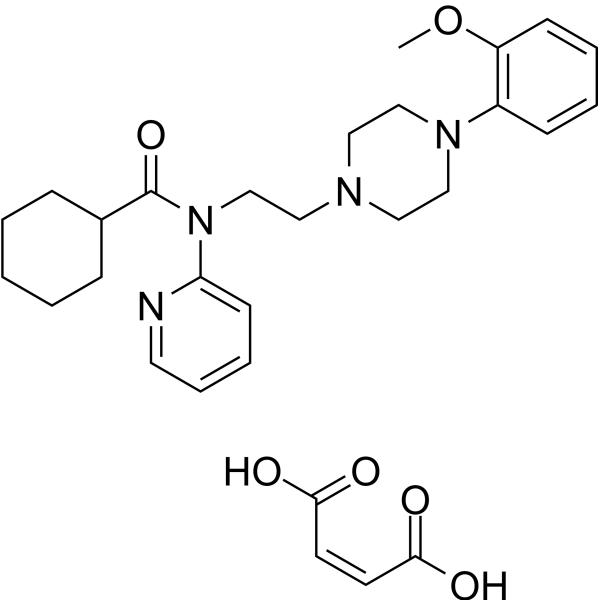
    WAY-100635
    10+ Cited Publications

    5-HT Receptor Dopamine Receptor Neurological Disease
    WAY-100635 is a potent and selective 5-HT1A Receptor antagonist with a pIC50 of 8.87, an apparent pA2 of 9.71. WAY-100635 is a potent and selective 5-hydroxytryptamine 1A (5-HT1A) receptor antagonist with an IC50 value of 0.91 nM and Ki value of 0.39 nM. WAY-100635 has pIC50 values for 5-HT1A and α1-adrenergic receptors of 8.9 and 6.6, respectively. WAY-100635 is also a potent dopamine D4 receptor agonist .
    WAY-100635
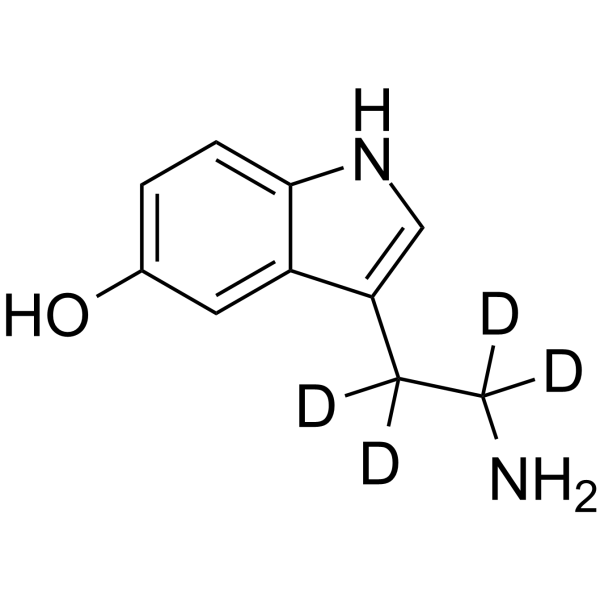
  • HY-B1473AS

    5-hydroxytryptamine-d4; 5-HT-d4

    Isotope-Labeled Compounds 5-HT Receptor COMT Endogenous Metabolite Neurological Disease
    Serotonin-d4 is deuterium labeled Serotonin. Serotonin is a monoamine neurotransmitter in the CNS and an endogenous 5-HT receptor agonist. Serotonin is also a catechol O-methyltransferase (COMT) inhibitor with a Ki of 44 μM.
    Serotonin-d4
  • HY-123630

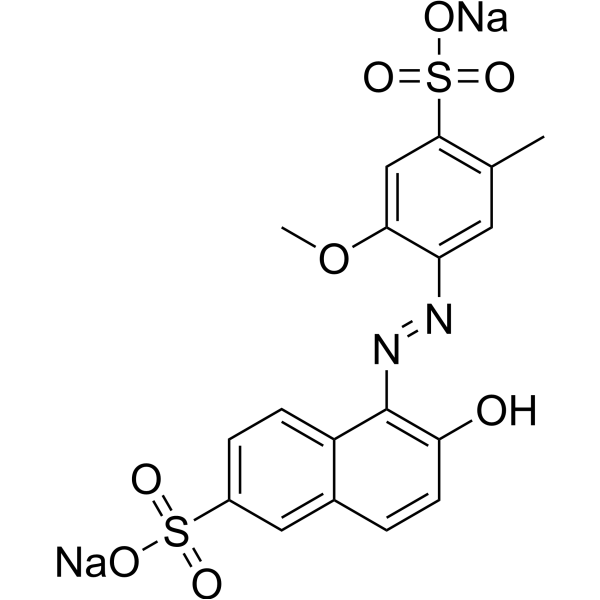
    FD&C RED NO. 40; CI 16035

    Environmental Pollutants Fluorescent Dye 5-HT Receptor Interleukin Related Reactive Oxygen Species (ROS) IFNAR Inflammation/Immunology
    Allura Red AC is a food colorant, appearing as a deep red water-soluble powder or granules, used in various applications such as beverages, syrups, candies, and cereals. Allura Red AC can statically quench the intrinsic fluorescence of HSA. Additionally, Allura Red AC is a 5-hydroxytryptamine (5-HT) pathway-associated pro-inflammatory agent, capable of exacerbating experimental colitis. Allura Red AC holds potential for research in inflammatory bowel disease (IBD), intestinal barrier function, and food additive safety .
    Allura Red AC
  • HY-15414A
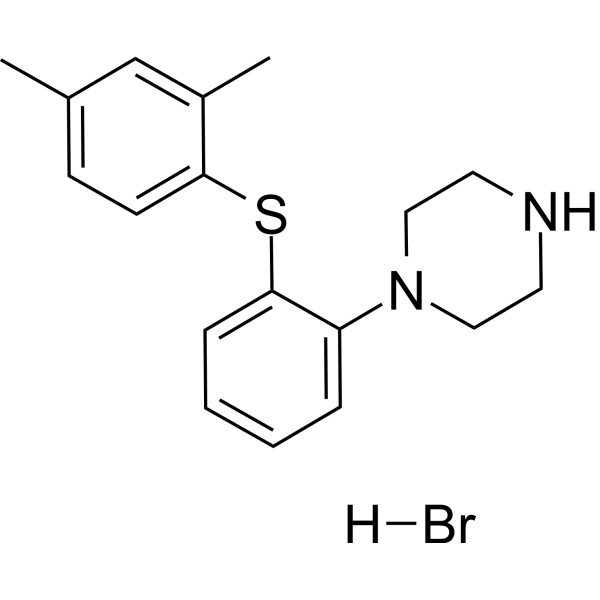
    Vortioxetine hydrobromide
    5+ Cited Publications

    Lu AA21004 hydrobromide

    5-HT Receptor Serotonin Transporter Neurological Disease Cancer
    Vortioxetine (Lu AA 21004) hydrobromide is an antagonist of 5-HT3A and 5-HT7 receptors (Ki: 3.7 nM, 19 nM) and an inhibitor of 5-hydroxytryptamine transporter (SERT) (Ki: 1.6 nM), as well as a 5-HT1A agonist and a partial 5-HT1B agonist (Ki: 15 nM, 33 nM) .
    Vortioxetine hydrobromide
  • HY-10349A
    WAY-100635 maleate
    10+ Cited Publications

    5-HT Receptor Dopamine Receptor Neurological Disease
    WAY-100635 maleate is a potent and selective 5-hydroxytryptamine 1A (5-HT1A) receptor antagonist with an IC50 value of 0.91 nM and Ki value of 0.39 nM. WAY-100635 maleate has pIC50 values for 5-HT1A and α1-adrenergic receptors of 8.9 and 6.6, respectively. WAY-100635 maleate is also a potent dopamine D4 receptor agonist .
    WAY-100635 maleate
  • HY-12390

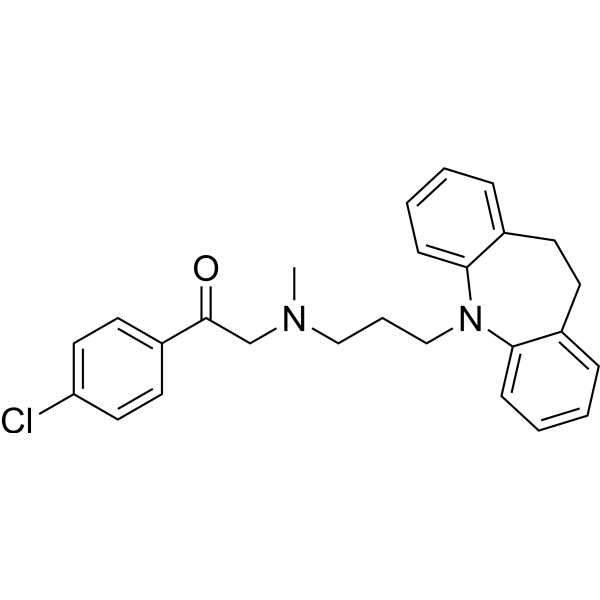
    Lopramine

    5-HT Receptor Adrenergic Receptor Neurological Disease
    Lofepramine (Lopramine) is a modified tricyclic and orally active antidepressant. Lofepramine inhibits the uptake of Noradrenaline (NA) (HY-13715) and 5-hydroxytryptamine (5-HT) with IC50s of 2.7 μM and 11 μM, respectively. Lofepramine exerts its antidepressant activity by promoting noradrenergic neurotransmission. Lofepramine also enhances serotonergic neurotransmission by inhibiting neuronal uptake of 5-HT and tryptophan pyrrolase. Lofepramine exhibits significant anxiolytic properties. .
    Lofepramine
  • HY-19358

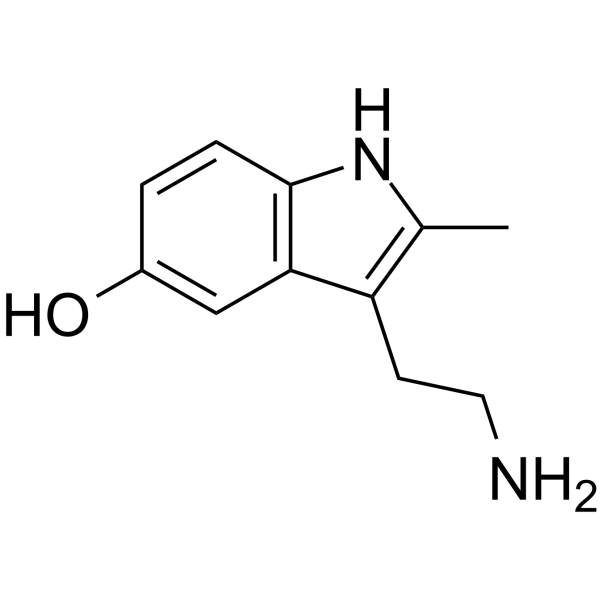
    2-Methyl-5-hydroxytryptamine; 2-Methylserotonin; 2-Me-5-HT

    5-HT Receptor Neurological Disease
    2-Methyl-5-HT (2-Methyl-5-hydroxytryptamine) is a potent and selective 5-HT3 receptor agonist. 2-Methyl-5-HT is shown to display anti-depressive-like effects .
    2-Methyl-5-HT
  • HY-B1473S

    5-hydroxytryptamine-d4 hydrochloride; 5-HT-d4 hydrochloride

    Isotope-Labeled Compounds 5-HT Receptor Endogenous Metabolite COMT Others
    Serotonin-d4 (5-Hydroxytryptamine-d4) hydrochloride is the deuterium labeled Serotonin (hydrochloride) (HY-B1473) . Serotonin (5-Hydroxytryptamine) hydrochloride is a monoamine neurotransmitter in the CNS and an endogenous 5-HT receptor agonist. Serotonin hydrochloride is also a catechol O-methyltransferase (COMT) inhibitor with a Ki of 44 μM .
    Serotonin-d4 hydrochloride
  • HY-10351A

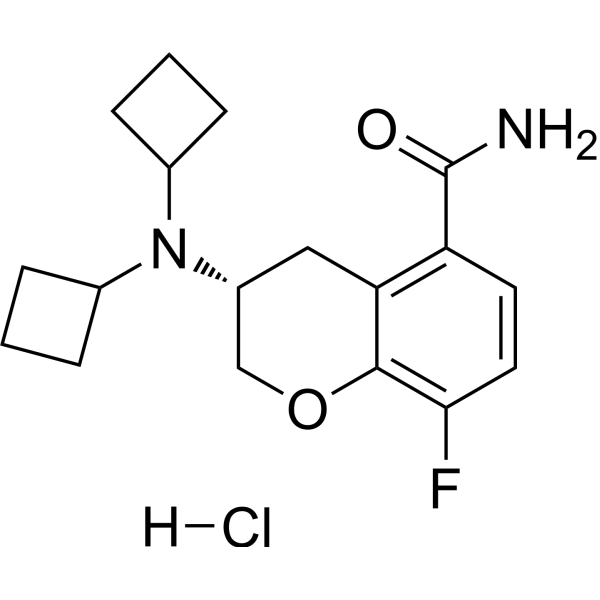
    NAD-​299 hydrochloride

    5-HT Receptor Neurological Disease
    Robalzotan hydrochloride (NAD-​299 hydrochloride) is a potent and selective 5-Hydroxytryptamine 1A (5-HT1A) inhibitor. Robalzotan hydrochloride increases the firing rate of 5-HT cells. Robalzotan hydrochloride induces 5-HT1A receptor occupancy. Robalzotan hydrochloride has the potential for the research of a cholinergic deficit in the central -nervous system .
    Robalzotan hydrochloride
  • HY-A0019A
    Paliperidone palmitate
    1 Publications Verification

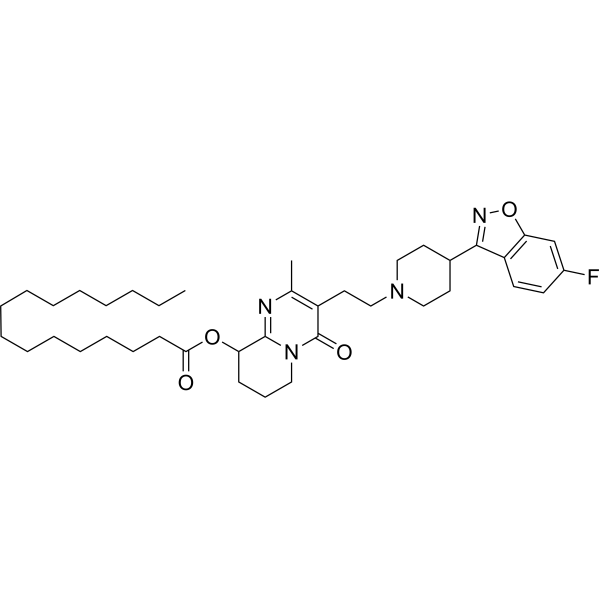
    9-Hydroxyrisperidone palmitate

    Dopamine Receptor 5-HT Receptor Neurological Disease
    Paliperidone palmitate is an orally effective competitive antagonist of dopamine D2 receptors and 5-hydroxytryptamine 2A (5-HT2A) receptors that can cross the blood-brain barrier. Paliperidone palmitate competitively inhibits the effects of dopamine and 5-hydroxytryptamine by binding to dopamine D2 receptors and 5-HT2A receptors, regulating the balance of the neurotransmitter system and thus exerting antipsychotic activity. Paliperidone palmitate is mainly used in the research field of schizophrenia .
    Paliperidone palmitate
  • HY-111200
    Vabicaserin hydrochloride
    4 Publications Verification

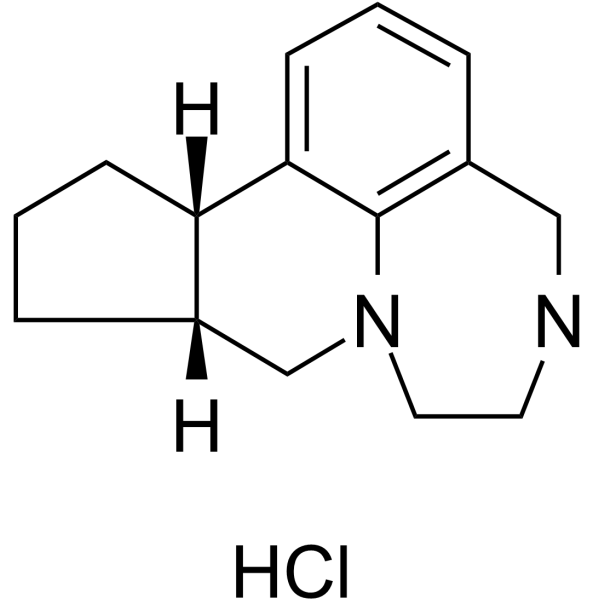
    SCA 136

    5-HT Receptor Neurological Disease
    Vabicaserin hydrochloride is a 5-hydroxytryptamine 2C (5-HT2C) receptor-selective agonist with an EC50 of 8 nM.
    Vabicaserin hydrochloride
  • HY-19889
    JNJ-18038683
    1 Publications Verification

    5-HT Receptor Neurological Disease
    JNJ-18038683 is a 5-Hydroxytryptamine Type 7 (5-HT7) receptor antagonist, with pKis of 8.19, 8.20 for rat and human 5-HT7 in HEK293 cells, respectively.
    JNJ-18038683
  • HY-15472

    5-HT Receptor p38 MAPK TGF-β Receptor FGFR Apoptosis Caspase Cardiovascular Disease Neurological Disease Cancer
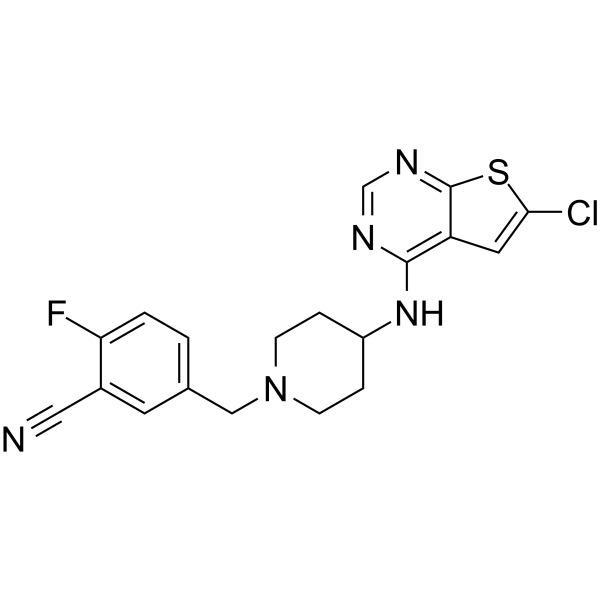
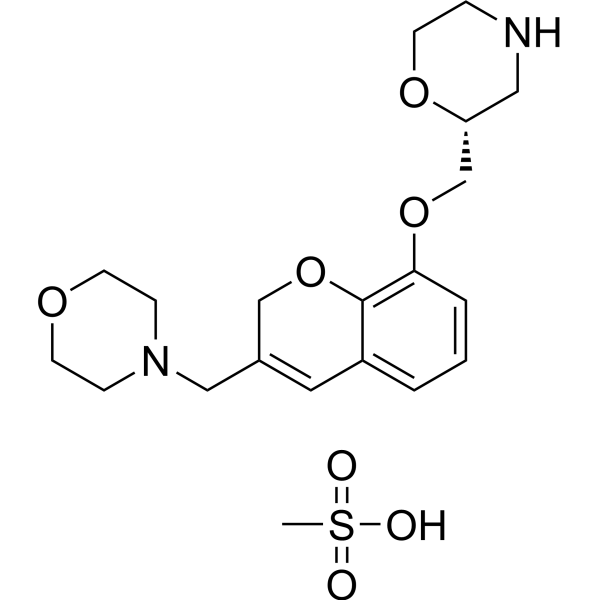
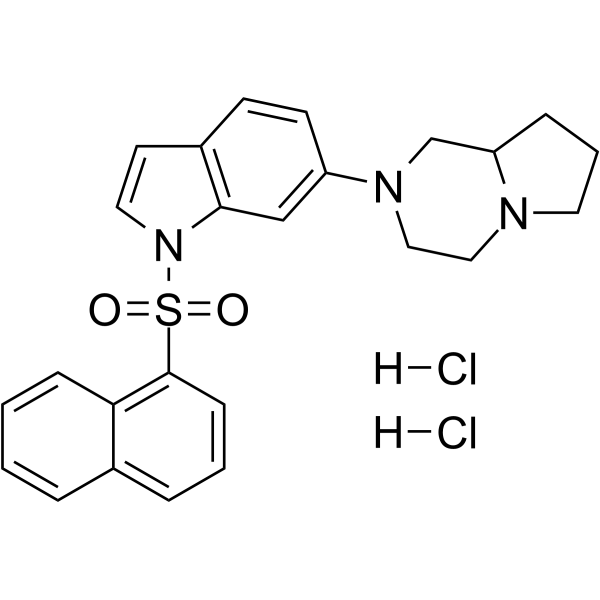
    PRX-08066 is a selective and orally active 5-hydroxytryptamine receptor 2B (5-HT2BR) antagonist with a Ki of 3.4 nM. PRX-08066 inhibits the MAPK pathway, 5-HT release and fibrotic factor (TGFβ1, CTGF and FGF2) expression. PRX-08066 inhibits the proliferation of KRJ-I cells and induces apoptosis (caspase-3 activation). PRX-08066 inhibits pulmonary vascular remodeling. PRX-08066 can be used of pulmonary Arterial Hypertension (PAH) and neuroendocrine tumor (NET) .
    PRX-08066
  • HY-B1473R

    5-hydroxytryptamine hydrochloride (Standard); 5-HT hydrochloride (Standard)

    5-HT Receptor Reference Standards COMT Endogenous Metabolite Neurological Disease
    Serotonin (5-Hydroxytryptamine) (Standard) hydrochloride is the analytical standard of Serotonin hydrochloride (HY-B1473). This product is intended for research and analytical applications. Serotonin (5-Hydroxytryptamine) hydrochloride is a monoamine neurotransmitter in the CNS and an endogenous 5-HT receptor agonist. Serotonin hydrochloride is also a catechol O-methyltransferase (COMT) inhibitor with a Ki of 44 μM.
    Serotonin hydrochloride (Standard)
  • HY-129101

    Eseroline fumarate

    5-HT Receptor Neurological Disease
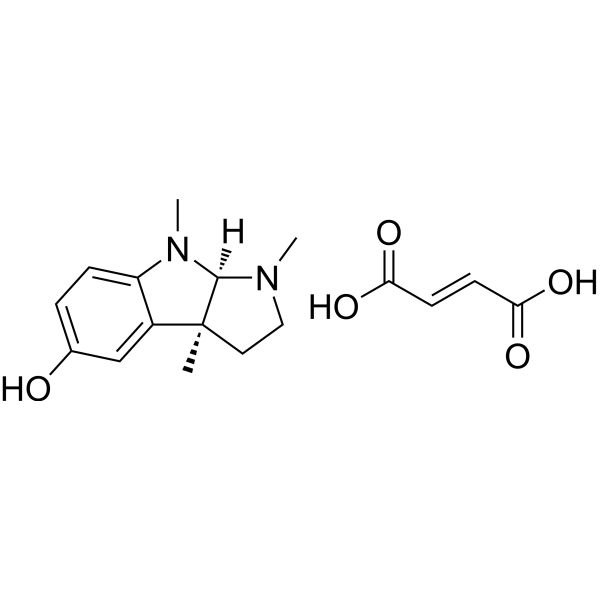
    (-)-Eseroline fumarate is a metabolic of Physostigmine (HY-N6608), an AChE inhibitor. (-)-Eseroline fumarate elicits a leakage of lactic acid dehydrogenase (LDH) from cancer cells. (-)-Eseroline fumarate also induces the release of adenine nucleotides and 5-hydroxytryptamine (5-HT) from neuronal cells, thus induce cell death. (-)-Eseroline fumarate inhibits the electrically evoked twitches of the mouse vas deferens and of the guinea-pig ileum .
    (-)-Eseroline fumarate
  • HY-14431
    Cerlapirdine
    2 Publications Verification

    SAM-531; PF-05212365

    5-HT Receptor Neurological Disease
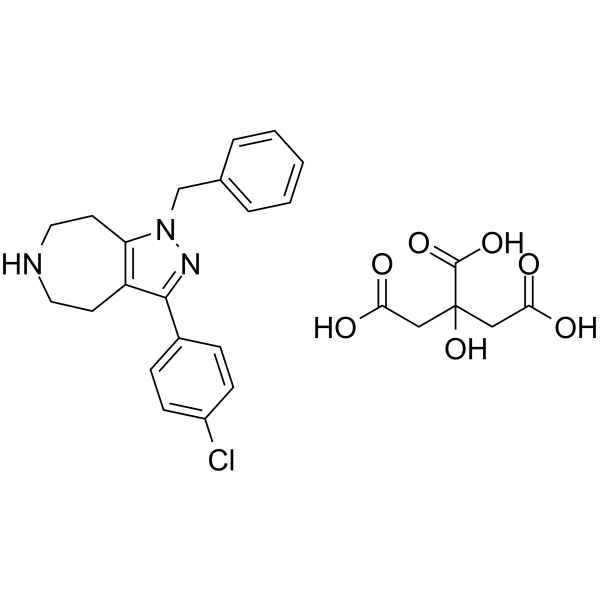
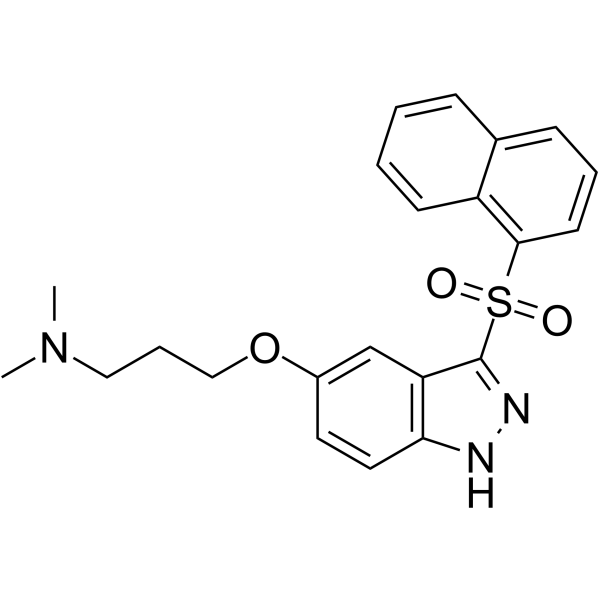
    Cerlapirdine (SAM-531, PF-05212365) is a selective and potent full antagonist of the 5-hydroxytryptamine 6 (5-HT6) receptor. Cerlapirdine has the potential for researching the Alzheimer's disease .
    Cerlapirdine
  • HY-B0527AR
    Amitriptyline hydrochloride (Standard)
    4 Publications Verification

    Reference Standards Serotonin Transporter 5-HT Receptor Histamine Receptor mAChR Adrenergic Receptor Trk Receptor Sodium Channel Potassium Channel Dopamine Transporter Apoptosis Neurological Disease Inflammation/Immunology Endocrinology
    Amitriptyline hydrochloride (Standard) is the analytical standard of Amitriptyline hydrochloride (HY-B0527A). This product is intended for research and analytical applications. Amitriptyline hydrochloride is an orally active tricyclic antidepressant (TCA). Amitriptyline hydrochloride mainly exerts its antidepressant effect by blocking SERT (Ki = 3.45 nM) and NET (Ki = 13.3 nM), thereby increasing the concentrations of 5-hydroxytryptamine (5-HT) and norepinephrine (NE) in the synaptic cleft. Amitriptyline hydrochloride is also an agonist at α2A and TrkA/TrkB receptors, thereby exerting analgesic and neurotrophic activities (inhibiting cell apoptosis). Amitriptyline hydrochloride can reduce inflammation, angiogenesis and fibrosis. Amitriptyline hydrochloride binds to DAT (with Ki = 2.58 μM). Amitriptyline hydrochloride has high affinity for a series of receptors and can antagonize muscarinic cholinergic receptors (M1/M2/M3/M4/M5 receptors) (Ki = 11-24 nM), H1 receptors (Ki = 0.5-1.1 nM), adrenergic α1 receptors (Ki = 4.4 nM), etc., resulting in a series of side effects. Amitriptyline hydrochloride can block sodium channels and hERG potassium channel (IC50 = 4.78 μM) and it has cardiotoxicity.
    Amitriptyline hydrochloride (Standard)
  • HY-B0527AS

    Isotope-Labeled Compounds Serotonin Transporter 5-HT Receptor Histamine Receptor mAChR Adrenergic Receptor Trk Receptor Sodium Channel Potassium Channel Dopamine Transporter Apoptosis Neurological Disease Inflammation/Immunology Endocrinology
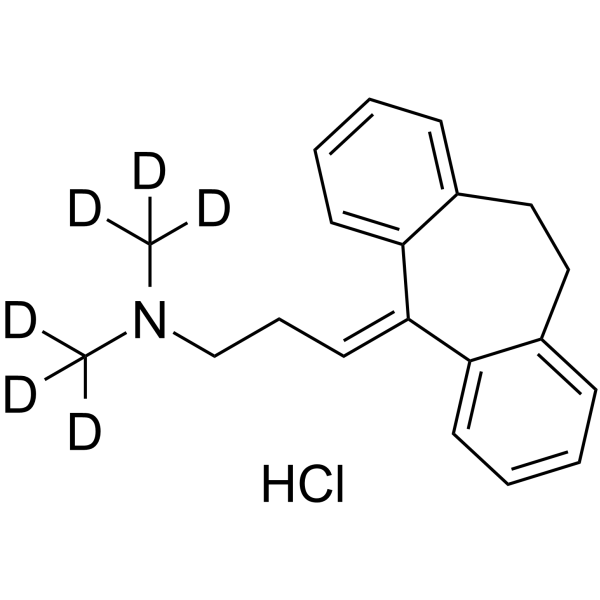
    Amitriptyline-d6 hydrochloride is the deuterium labeled Amitriptyline hydrochloride (HY-B0527A). Amitriptyline hydrochloride is an orally active tricyclic antidepressant (TCA). Amitriptyline hydrochloride mainly exerts its antidepressant effect by blocking SERT (Ki = 3.45 nM) and NET (Ki = 13.3 nM), thereby increasing the concentrations of 5-hydroxytryptamine (5-HT) and norepinephrine (NE) in the synaptic cleft. Amitriptyline hydrochloride is also an agonist at α2A and TrkA/TrkB receptors, thereby exerting analgesic and neurotrophic activities (inhibiting cell apoptosis). Amitriptyline hydrochloride can reduce inflammation, angiogenesis and fibrosis. Amitriptyline hydrochloride binds to DAT (with Ki = 2.58 μM). Amitriptyline hydrochloride has high affinity for a series of receptors and can antagonize muscarinic cholinergic receptors (M1/M2/M3/M4/M5 receptors) (Ki = 11-24 nM), H1 receptors (Ki = 0.5-1.1 nM), adrenergic α1 receptors (Ki = 4.4 nM), etc., resulting in a series of side effects. Amitriptyline hydrochloride can block sodium channels and hERG potassium channel (IC50 = 4.78 μM) and it has cardiotoxicity.
    Amitriptyline-d6 hydrochloride
  • HY-121653

    5-HT Receptor Neurological Disease
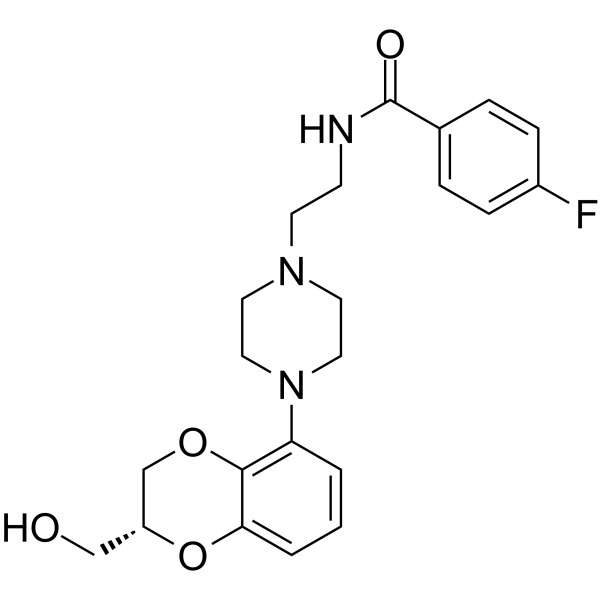
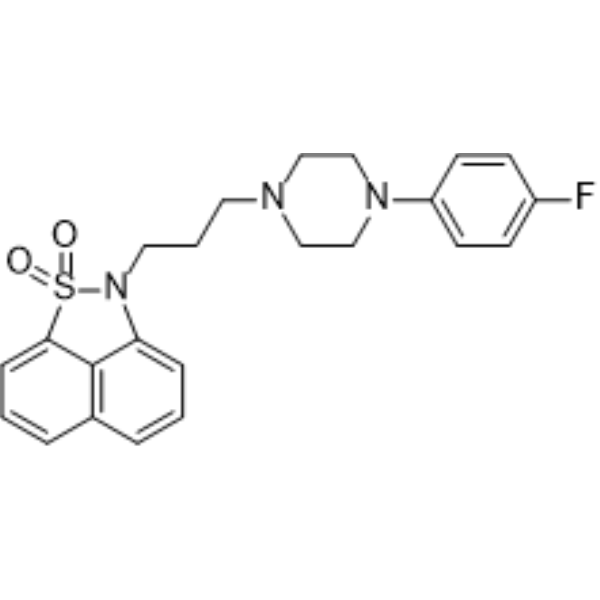
    Flesinoxan is a hypotensive agent and a potent, high affinity and selective 5-hydroxytryptamine1A (5-HT1A) receptor agonist with an EC50 value of 24 nM. Flesinoxan also has effective anxiolytic/antidepressant effects .
    Flesinoxan
  • HY-B1473S2

    5-hydroxytryptamine-13C,D4; 5-HT-13C,D4

    Isotope-Labeled Compounds 5-HT Receptor COMT Endogenous Metabolite Neurological Disease
    Serotonin- 13C,D4 (5-Hydroxytryptamine-13C,D4) is a 13C- and deuterated labeled Serotonin (HY-B1473A). Serotonin is a monoamine neurotransmitter in the CNS and an endogenous 5-HT receptor agonist. Serotonin is also a catechol O-methyltransferase (COMT) inhibitor with a Ki of 44 μM .
    Serotonin-13C,D4
  • HY-15414AR

    Lu AA21004 hydrobromide (Standard)

    5-HT Receptor Serotonin Transporter Reference Standards Neurological Disease Cancer
    Vortioxetine (hydrobromide) (Standard) is the analytical standard of Vortioxetine (hydrobromide). This product is intended for research and analytical applications. Vortioxetine (Lu AA 21004) hydrobromide is an antagonist of 5-HT3A and 5-HT7 receptors (Ki: 3.7 nM, 19 nM) and an inhibitor of 5-hydroxytryptamine transporter (SERT) (Ki: 1.6 nM), as well as a 5-HT1A agonist and a partial 5-HT1B agonist (Ki: 15 nM, 33 nM) .
    Vortioxetine hydrobromide (Standard)
  • HY-15414S

    Lu AA 21004 d8

    Isotope-Labeled Compounds 5-HT Receptor Serotonin Transporter Neurological Disease
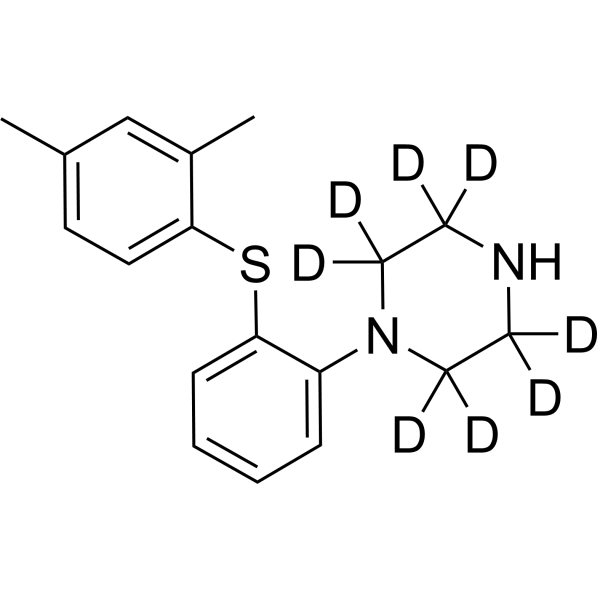
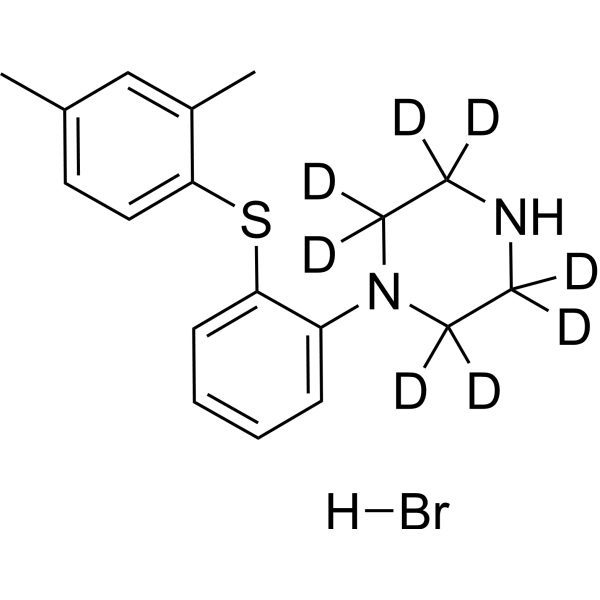
    Vortioxetine-d8 (Lu AA 21004-d8) is a deuterated version of Vortioxetine. Vortioxetine (Lu AA 21004) is an antagonist of 5-HT3A and 5-HT7 receptors (Ki: 3.7 nM, 19 nM) and an inhibitor of 5-hydroxytryptamine transporter (SERT) (Ki: 1.6 nM), as well as a 5-HT1A agonist and a partial 5-HT1B agonist (Ki: 15 nM, 33 nM) .
    Vortioxetine-d8
  • HY-106605

    LY 120363

    Dopamine Receptor 5-HT Receptor Neurological Disease
    Flumezapine (LY 120363) is a potent and balanced antagonist of the dopamine D2 receptor and the 5-hydroxytryptamine receptor (5-HT receptor). Flumezapine does not alter the increase in serum cortisol caused by κ-opioid receptor agonists. Flumezapine inhibits the conditioned avoidance response in rats and has a low risk of extrapyramidal side effects. Flumezapine can be used in antipsychotic research .
    Flumezapine
  • HY-156807

    Serotonin Transporter 5-HT Receptor Neurological Disease
    LY 367265 is a 5-hydroxytryptamine transporter (SERT) inhibitor (IC₅₀ = 3.1 nM) and a 5-HT₂A receptor antagonist (Kᵢ = 0.81 nM). LY 367265 has the inhibitory activity on the norepinephrine transporter (NET) of extremely weak (IC₅₀ > 1000 nM); it has low affinity for subtypes such as 5-HT₁B (Kᵢ = 490 nM) and 5-HT₁D (Kᵢ = 81 nM), showing high selectivity. LY 367265 concentration-dependently enhances of [³H]5-HT efflux (EC₅₀ = 250 nM). LY 367265 antagonizes the contraction response of Sumatriptan (HY-B0121B), indicating its functional antagonistic activity on 5-HT₁D-like receptors. LY 367265 can be used for the study of diseases such as anxiety disorders and post-traumatic stress disorder .
    LY 367265
  • HY-169611

    5-hydroxytryptamine maleate; 5-HT maleate

    5-HT Receptor COMT Neurological Disease
    Serotonin hydrogen maleate is a monoamine neurotransmitter in the CNS and an endogenous 5-HT receptor agonist. Serotonin hydrogen maleate is also a catechol O-methyltransferase (COMT) inhibitor with a Ki of 44 μM .
    Serotonin maleate
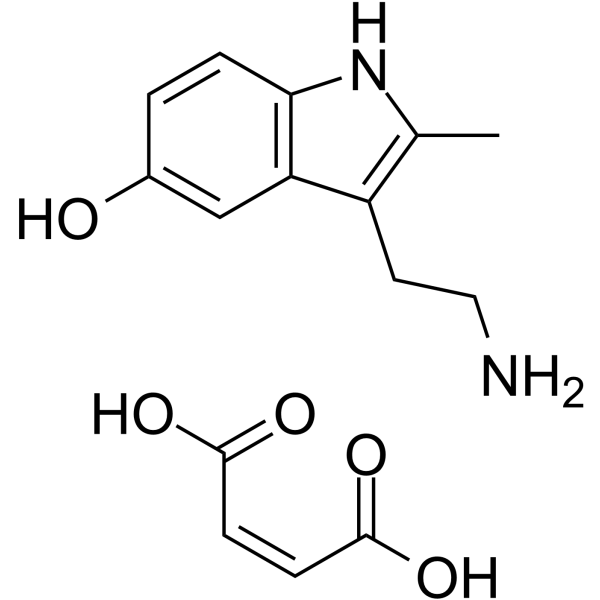
  • HY-19358B

    2-Methyl-5-hydroxytryptamine maleate; 2-Methylserotonin maleate; 2-Me-HT maleate

    5-HT Receptor Neurological Disease
    2-Methyl-5-HT maleate (2-Methyl-5-hydroxytryptamine maleate) is a potent and selective 5-HT3 receptor agonist. 2-Methyl-5-HT maleate is shown to display anti-depressive-like effects .
    2-Methyl-5-HT maleate
  • HY-N0122R

    5-HTP (Standard); DL-5-Hydroxytryptophan (Standard)

    Endogenous Metabolite 5-HT Receptor Reference Standards Neurological Disease Metabolic Disease
    5-Hydroxytryptophan (Standard) is the analytical standard of 5-Hydroxytryptophan. This product is intended for research and analytical applications. 5-Hydroxytryptophan, a tryptophan metabolite, is a direct 5-hydroxytryptamine (5-HT) precursor and an L-aromatic amino acid decarboxylase substrate. .
    5-Hydroxytryptophan (Standard)
  • HY-10351

    NAD-​299

    5-HT Receptor Neurological Disease
    Robalzotan (NAD-​299) is a potent and selective 5-Hydroxytryptamine 1A (5-HT1A) inhibitor. Robalzotan increases the firing rate of 5-HT cells. Robalzotan induces 5-HT1A receptor occupancy. Robalzotan has the potential for the research of a cholinergic deficit in the central -nervous system .
    Robalzotan
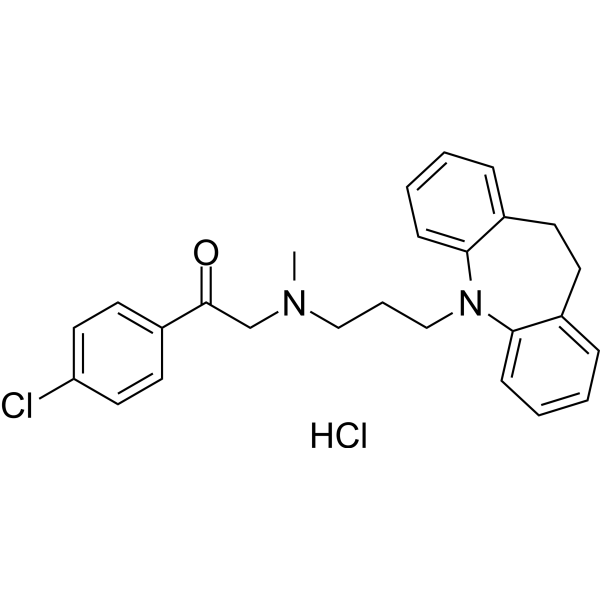
  • HY-12390A

    Lopramine hydrochloride

    5-HT Receptor Adrenergic Receptor Neurological Disease
    Lofepramine (Lopramine) is a modified tricyclic and orally active antidepressant. Lofepramine inhibits the uptake of Noradrenaline (NA) (HY-13715) and 5-hydroxytryptamine (5-HT) with IC50s of 2.7 μM and 11 μM, respectively. Lofepramine exerts its antidepressant activity by promoting noradrenergic neurotransmission. Lofepramine also enhances serotonergic neurotransmission by inhibiting neuronal uptake of 5-HT and tryptophan pyrrolase. Lofepramine exhibits significant anxiolytic properties. .
    Lofepramine hydrochloride
  • HY-A0019AS

    9-Hydroxyrisperidone palmitate-d4

    Isotope-Labeled Compounds Dopamine Receptor 5-HT Receptor Neurological Disease
    Paliperidone palmitate-d4 (9-Hydroxyrisperidone palmitate-d4) is the deuterium labeled Paliperidone palmitate (HY-A0019A). Paliperidone palmitate is an orally effective competitive antagonist of dopamine D2 receptors and 5-hydroxytryptamine 2A (5-HT2A) receptors that can cross the blood-brain barrier. Paliperidone palmitate competitively inhibits the effects of dopamine and 5-hydroxytryptamine by binding to dopamine D2 receptors and 5-HT2A receptors, regulating the balance of the neurotransmitter system and thus exerting antipsychotic activity. Paliperidone palmitate is mainly used in the research field of schizophrenia .
    Paliperidone palmitate-d4
  • HY-W1123900

    5-HT Receptor Neurological Disease
    5-HT2A agonist 3 (Compound P-141) is a selective 5-hydroxytryptamine 2A receptor (5-HT2A) agonist with an EC50 value of 13.80 nM. 5-HT2A agonist 3 is promising for research of mental illnesses such as depression, post-traumatic stress disorder, obsessive-compulsive disorder, and central nervous system disorders .
    5-HT2A agonist 3
  • HY-15414AS

    Lu AA21004-d8 hydrobromide

    Isotope-Labeled Compounds 5-HT Receptor Serotonin Transporter Neurological Disease
    Vortioxetine-d8 (Lu AA 21004-d8) hydrobromide is the deuterated form of Vortioxetine. Vortioxetine (Lu AA 21004) is an antagonist of 5-HT3A and 5-HT7 receptors (Ki: 3.7 nM, 19 nM) and an inhibitor of 5-hydroxytryptamine transporter (SERT) (Ki: 1.6 nM), as well as a 5-HT1A agonist and a partial 5-HT1B agonist (Ki: 15 nM, 33 nM) .
    Vortioxetine-d8 hydrobromide
  • HY-123630R

    FD&C RED NO. 40 (Standard); CI 16035 (Standard)

    Fluorescent Dye Interleukin Related 5-HT Receptor IFNAR Reactive Oxygen Species (ROS) Reference Standards Inflammation/Immunology
    Allura Red AC (Standard) is an analytical standard of Allura Red AC. This product is intended for research and analytical applications. Allura Red AC is a food colorant, appearing as a deep red water-soluble powder or granules, used in various applications such as beverages, syrups, candies, and cereals. Allura Red AC can statically quench the intrinsic fluorescence of HSA. Additionally, Allura Red AC is a 5-hydroxytryptamine (5-HT) pathway-associated pro-inflammatory agent, capable of exacerbating experimental colitis. Allura Red AC holds potential for research in inflammatory bowel disease (IBD), intestinal barrier function, and food additive safety .
    Allura Red AC (Standard)
  • HY-121562

    5-HT Receptor Neurological Disease
    SB 714786 is a potent and selective 5-hydroxytryptamine 1D (5-HT1D) receptor antagonist. It was developed from the previously reported series of dual 5-HT1 selective 5-hydroxytryptamine reuptake inhibitors (5HT1-SSRIs). SB 714786 is the first reported highly potent and selective 5-HT1D receptor antagonist, providing an extremely useful pharmacological tool for further understanding the role of 5-HT1 receptor subtypes. It has no or very low intrinsic activity against all three receptors. SB 714786 has pKi values of 6.5, 6.7, 9.1 and 6.5 for 5-HT1A, 5-HT1B, 5-HT1D and SerT receptors, respectively, showing high selectivity for 5-HT1D receptors. These properties make SB 714786 a potential tool compound for studying the function of 5-HT1D receptors and the treatment of related diseases.
    SB 714786
  • HY-175285

    5-HT Receptor Neurological Disease
    5-HT2AR-IN-1 (Compound Ie) is an orally active 5-hydroxytryptamine 2A receptor (5-HT2AR) inhibitor with antidepressant efficacy. 5-HT2AR-IN-1 reduces 5-HT2AR expression and SERT protein levels. 5-HT2AR-IN-1 is promising for research of central nervous system (CNS), such as depression and addiction-related disorders .
    5-HT2AR-IN-1
  • HY-165527

    Dopamine Receptor 5-HT Receptor Neurological Disease
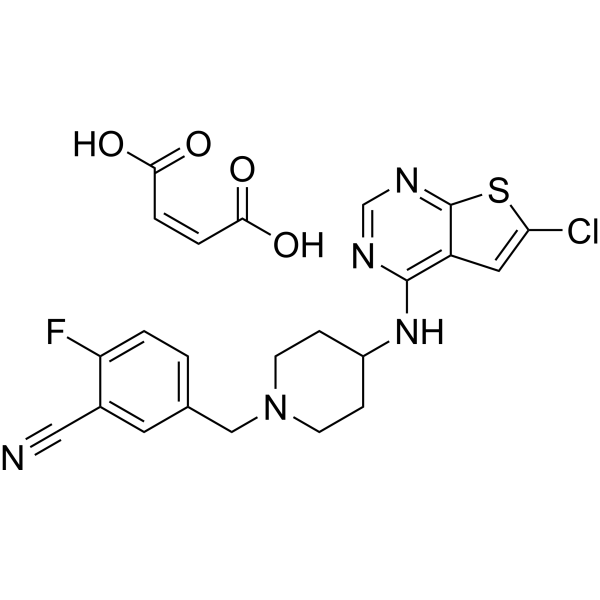
    S18327 is a multi-target antipsychotic agent. S18327 exerts its efficacy by acting on multiple neurotransmitter systems in the brain, and it has antagonistic effects on dopamine receptors (particularly the D2 receptor) and 5-hydroxytryptamine 2A receptors (5-HT2A receptor). S18327 can counteract excessive dopamine activity and hypo-function of glutamate. S18327 exhibits a multi-parameter pharmacological profile that is highly similar to that of Clozapine (HY-14539). S18327 can produce the same discriminative stimulus as Clozapine, improve cognitive filtering deficits associated with schizophrenia, and display anxiolytic properties. S18327 has relatively weak affinity for histaminergic receptors and muscarinic receptors, which avoids the side effects of Clozapine .
    S18327
  • HY-N1957R

    γ-Mangostin (Standard)

    Reference Standards 5-HT Receptor COX Transthyretin (TTR) Metabolic Disease Inflammation/Immunology Cancer
    Gamma-Mangostin (Standard) is the analytical standard of Gamma-Mangostin. This product is intended for research and analytical applications. Gamma-Mangostin is a novel competitive 5-hydroxytryptamine 2A (5-HT2A) receptor antagonist and potent epoxidase 2 (COX-2) inhibitor, as well as a transthyroxin protein (TTR) profibrosis inhibitor. Gamma-Mangostin binds to the thyroxine (T4)-binding sites and stabilized the TTR tetramer . Gamma-Mangostin inhibits [3H] spiperone binding to cultured rat aortic myocytes (IC50=3.5 nM) and reduces The perfusion pressure response of rat coronary artery to 5-HT2A (IC50=0.32 μM). Gamma-Mangostin has anti-inflammatory, antibacterial, antioxidant and anticancer activities, and can be used in the study of metabolic disorders such as diabetes [5].
    Gamma-Mangostin (Standard)
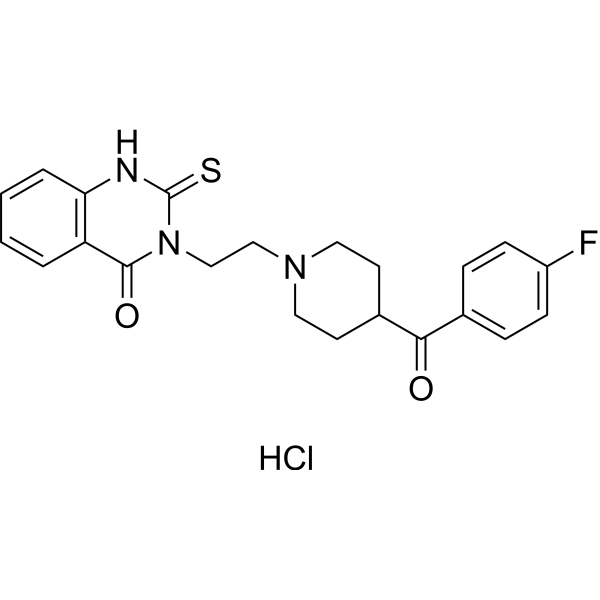
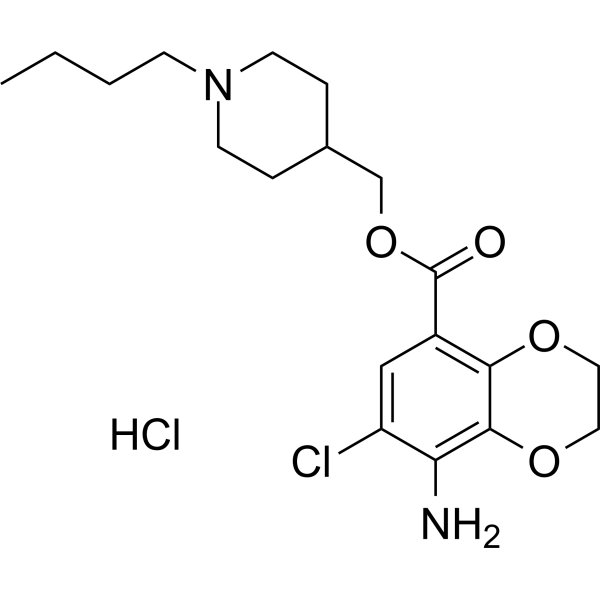
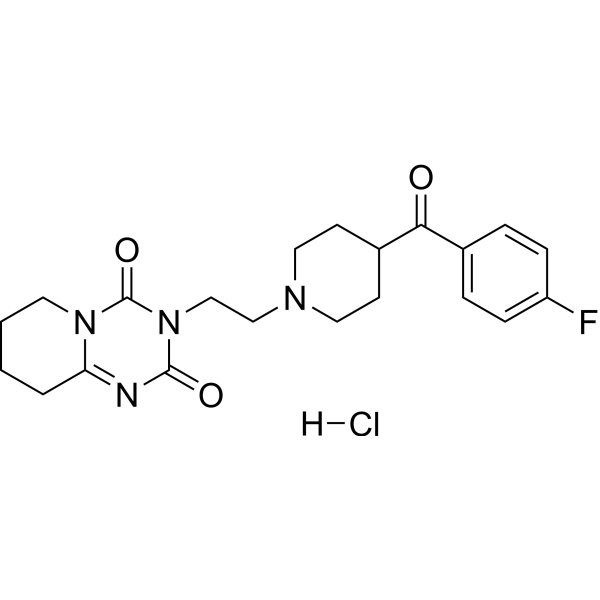
  • HY-103139

    5-HT Receptor Metabolic Disease
    Altanserin is a 5-hydroxytryptamine (5-HT2A ) selective radioligand. Altanserin delivers human serotonin. Altanserin can be used to study the biochemical and cellular mechanisms of vulnerability to extracellular 5-HT increase .
    Altanserin hydrochloride
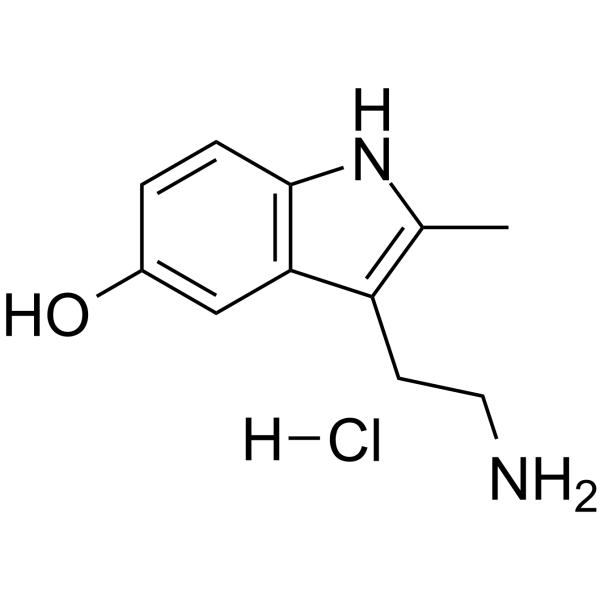
  • HY-19358A

    2-Methyl-5-hydroxytryptamine hydrochloride; 2-Methylserotonin hydrochloride; 2-Me-HT hydrochloride

    5-HT Receptor Neurological Disease
    2-Methyl-5-HT hydrochloride (2-Methyl-5-hydroxytryptamine hydrochloride) is a potent and selective 5-HT3 receptor agonist. 2-Methyl-5-HT hydrochloride is shown to display anti-depressive-like effects .
    2-Methyl-5-HT hydrochloride
  • HY-103104

    RP 62203

    5-HT Receptor Dopamine Receptor Neurological Disease
    Fananserin (RP 62203) is an orally bioavailable, potent and selective 5-hydroxytryptamine2 (5-HT2) receptor antagonist, with a Ki of 0.37 nM for the rat 5-HT2A receptor. Fananserin also is a selective dopamine D4 receptor antagonist, with a Ki of 2.93 nM for the human dopamine D4 receptor .
    Fananserin
  • HY-135507

    5-HT Receptor Neurological Disease
    NAS-181 is a potent and selective rat 5-hydroxytryptamine1B (r5-HT1B) antagonist with an Ki value of 47 nM. NAS-181 increases the 5-HTP accumulation in rat brain regions .
    NAS-181
  • HY-164083

    5-HT Receptor Neurological Disease
    GR65630 is a potent and selective 5-hydroxytryptamine (5-HT) type 3 receptor antagonist. GR65630 can be used to study the expression patterns of 5-HT3 receptors in different brain regions and their possible functions in the central nervous system. GR65630 and its radiolabeled form [ 3H]GR65630 can be used to study the distribution, density and affinity of the receptors .
    GR65630
  • HY-12390R

    Lopramine (Standard)

    5-HT Receptor Adrenergic Receptor Reference Standards Neurological Disease
    Lofepramine (Standard) is the analytical standard of Lofepramine. This product is intended for research and analytical applications. Lofepramine (Lopramine) is a modified tricyclic and orally active antidepressant. Lofepramine inhibits the uptake of Noradrenaline (NA) (HY-13715) and 5-hydroxytryptamine (5-HT) with IC50s of 2.7 μM and 11 μM, respectively. Lofepramine exerts its antidepressant activity by promoting noradrenergic neurotransmission. Lofepramine also enhances serotonergic neurotransmission by inhibiting neuronal uptake of 5-HT and tryptophan pyrrolase. Lofepramine exhibits significant anxiolytic properties. .
    Lofepramine (Standard)
  • HY-106605S

    LY 120363-d8 hydrochloride

    Isotope-Labeled Compounds Dopamine Receptor 5-HT Receptor Neurological Disease
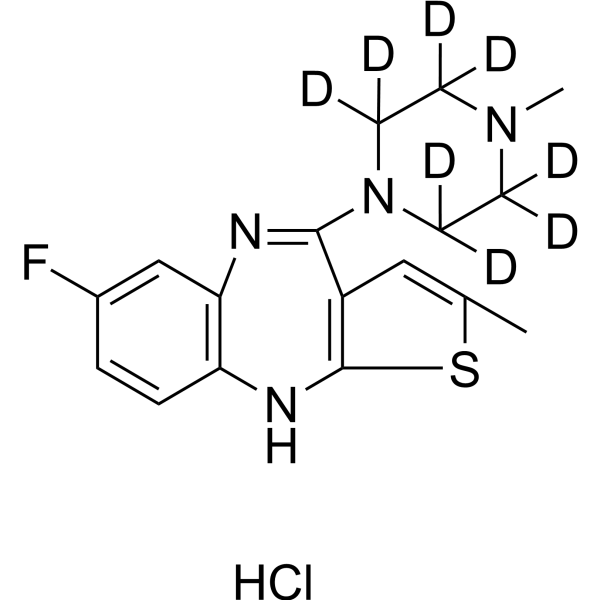
    Flumezapine-d8 (LY 120363-d8) hydrochloride is deuterated labeled Flumezapine hydrochloride. Flumezapine hydrochloride is a potent and balanced antagonist of the dopamine D2 receptor and the 5-hydroxytryptamine receptor (5-HT receptor). Flumezapine hydrochloride does not alter the increase in serum cortisol caused by κ-opioid receptor agonists. Flumezapine hydrochloride inhibits the conditioned avoidance response in rats and has a low risk of extrapyramidal side effects. Flumezapine hydrochloride can be used in antipsychotic research.
    Flumezapine-d8 hydrochloride

Inquiry Online

Your information is safe with us. * Required Fields.

Salutation


Country or Region *

Applicant Name *


Organization Name *

Department *


Email Address *


Product Name *

Cat. No.


Requested quantity *

Phone Number *


Remarks

Inquiry Online

Inquiry Information

Product Name:
Cat. No.:
Quantity:
MCE Japan Authorized Agent: